
Energy management: mitochondria & microbiome
In plain language
The modern workplace runs on energy. Anyone who works night shifts, works in shifts or is under physical load asks the utmost of the body every day. Yet it is not only about muscle strength, but about how mitochondria and microbiome work together. Mitochondria make ATP, the energy currency of your cells; the microbiome supplies substances that feed and protect them. Under stress, sleep deprivation or shift work, that cooperation falls out of balance: mitochondria work less efficiently and energy leaks away as fatigue. The point is not to fuel up on more energy, but to deal more smartly with the energy that is there. Those who are more adaptive — whose system adjusts more readily — have energy left over to live, not only at work but also beyond it. Energy management is therefore a matter of adaptation, and adaptation is trainable.
The science behind
Mitochondria and microbiome are in constant contact — described in the literature as microbial–mitochondrial crosstalk (Frontiers in Physiology, 2017). Short-chain fatty acids from the digestion of fiber serve as fuel and signaling substance for the energy household, while bacteria that produce antioxidants and SCFAs help temper the oxidative stress in mitochondria. When this interplay falters, fatigue, low-grade inflammation and error-proneness increase.
More important than the absolute amount of energy is adaptation: the ability to distribute the available energy smartly. Frontiers in Nutrition (2022) describes how better microbial adaptation goes hand in hand with more energy reserve during heavy exertion. For people in shift work the same principle applies: those who are more adaptive keep resilience even outside working hours. Gene variants around antioxidant defense (backstage factors such as NRF2 and SOD2) help determine who has to micro-rest sooner to stay continuously resilient, but are never separate from microbiome and lifestyle.
The common thread is co-metabolism: energy efficiency arises from the interplay between DNA, microbiome, metabolites and lifestyle — not from one switch. That is why energy management is not a matter of pushing harder, but of teaching the system to adapt, with rhythm, nutrition and recovery as levers toward sustainable resilience. This reading is supportive and observational — not a medical diagnosis.
Illustration & CosmoTalks
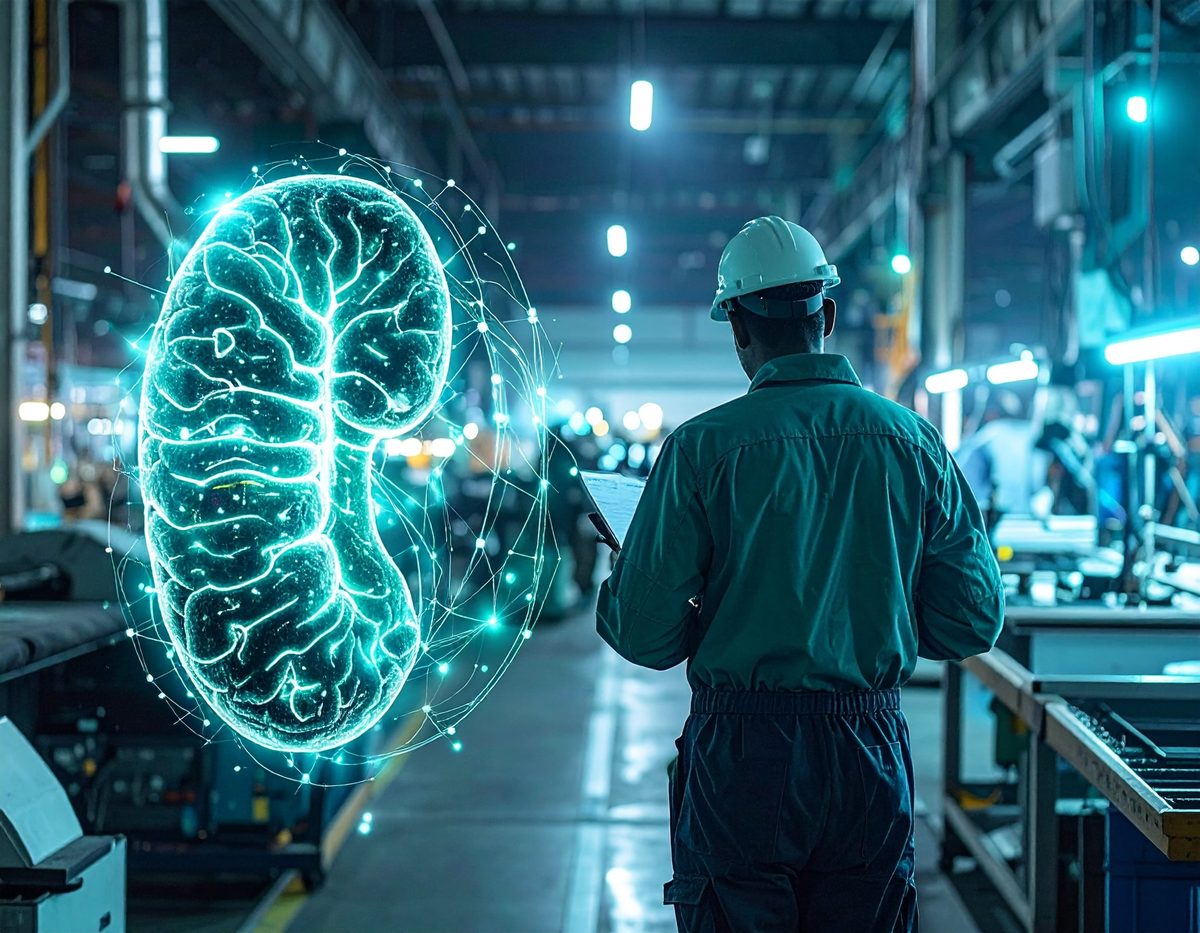
How your body adapts under pressure — five episodes on energy and adaptation.
- S6·E1 — Not more energy, but dealing more smartly with energy
- S6·E2 — Mitochondria and microbes: the engine behind your day
- S6·E3 — Where energy leaks away: inflammation and stress
- S6·E4 — Adaptation in shift work and under load
- S6·E5 — Resilience as a trainable trait
Related concepts
Explore further in the Cosmogroup ecosystem
From knowledge to application — choose your next step.
My InnerSelfie
Measure your energy adaptation: how mitochondria, microbiome and DNA together determine your resilience.
Discover My InnerSelfie →My Key Nutrients
Support your energy engine: SCFA-friendly nutrition and antioxidant support for mitochondria.
See the range →CosmoPulse
For shift work and teams: energy adaptation and readiness as a readable decision signal.
Discover CosmoPulse →The books · HOST · FORMULA · EDGE
The common thread of this science, from insight to everyday application, by Petra Van Gucht.
See the books →Scientific references
• Frontiers in Nutrition (2022) — Microbial adaptation and energy reserve under exertion.
• Cell Metabolism (2021) — Short-chain fatty acids as mitochondrial fuel and signal.
• Van Gucht P. — EDGE (COSMO trilogy): adaptation as the key to sustainable energy.
Frequently asked questions
- Why am I tired even though I sleep enough?
- Energy can leak away when the cooperation between mitochondria and microbiome falters through stress, rhythm disruption or inflammation.
- What is microbial-mitochondrial crosstalk?
- The continuous exchange in which microbial metabolites (such as SCFAs) feed and protect the power plants of your cells.
- Can I train my energy?
- Yes — not by fueling up more, but by strengthening adaptation through rhythm, nutrition and recovery. What works best is personal.
- Why does one colleague have more energy left over on night shift?
- Because energy adaptation is co-metabolic: it depends on the interplay between DNA, microbiome, metabolites and lifestyle.
Hooked on co-metabolism?
You have just read one piece of the puzzle. There is a path for the curious who want to understand themselves better — and a deeper library for the professional who works with it.
Discover your own story
Wondering what co-metabolism means for you? Discover what your own body tries to tell you every day — and stay up to date with new insights.
Discover your analysis →Join us and gain access
Become an affiliated healthcare professional and unlock the depth we reserve for our partners: the books to read online, the Well@Work and Sport experiences, the protocols and a network of like-minded people.
Join us →