
Red wine, histamine & mast cells
In plain language
A glass of red wine with dinner, and shortly afterward burning acid reflux, a red face and mild itching — sometimes with palpitations and a headache on top. Antacids help only a little, and allergy tests show nothing. Yet the pattern keeps coming back, especially after wine, aged cheese or tomato. Why does one body react so strongly, while others share a bottle without any trouble? The answer lies in the interplay between histamine, stomach acid and mast cells. Red wine naturally contains histamine and at the same time inhibits the enzymes that would break histamine down, so the load builds up. Mast cells in your stomach and gut then release extra histamine, which drives up acid production. And your microbiome can play a part by producing histamine itself. This is how an “innocent glass” becomes a predictable trigger for some people — not a vague allergy, but a measurable biological mechanism.
The science behind
Red wine is a double challenge for histamine balance. It contains biogenic amines such as histamine itself, and at the same time it inhibits the enzymes that normally break histamine down. As a result the histamine load rises faster than the body can clear it. In sensitive people this leads to recognizable intolerance symptoms: flushing, headache, itching and gastrointestinal complaints — even when an allergy test shows nothing.
Mast cells form the link to stomach acid and reflux. They release histamine in the stomach and gut, which drives up acid production and thereby intensifies burning acid reflux and reflux symptoms. The microbiome colors this too: certain gut bacteria produce extra histamine and can make the immune system hyperactive, while others actually help to temper histamine balance. Research describes how mast cells play a key role in histamine responses — often without a classic allergy — and how the gut microbiome influences histamine balance and mast cell activity.
Why one person reacts and another does not is co-metabolic: it depends on the interplay between genetic predisposition in histamine breakdown, microbiome, metabolites and lifestyle. Genes color sensitivity in the background, but the whole determines whether that glass of wine becomes a trigger. This reading is supportive and observational — not a medical diagnosis.
Illustration & CosmoTalks
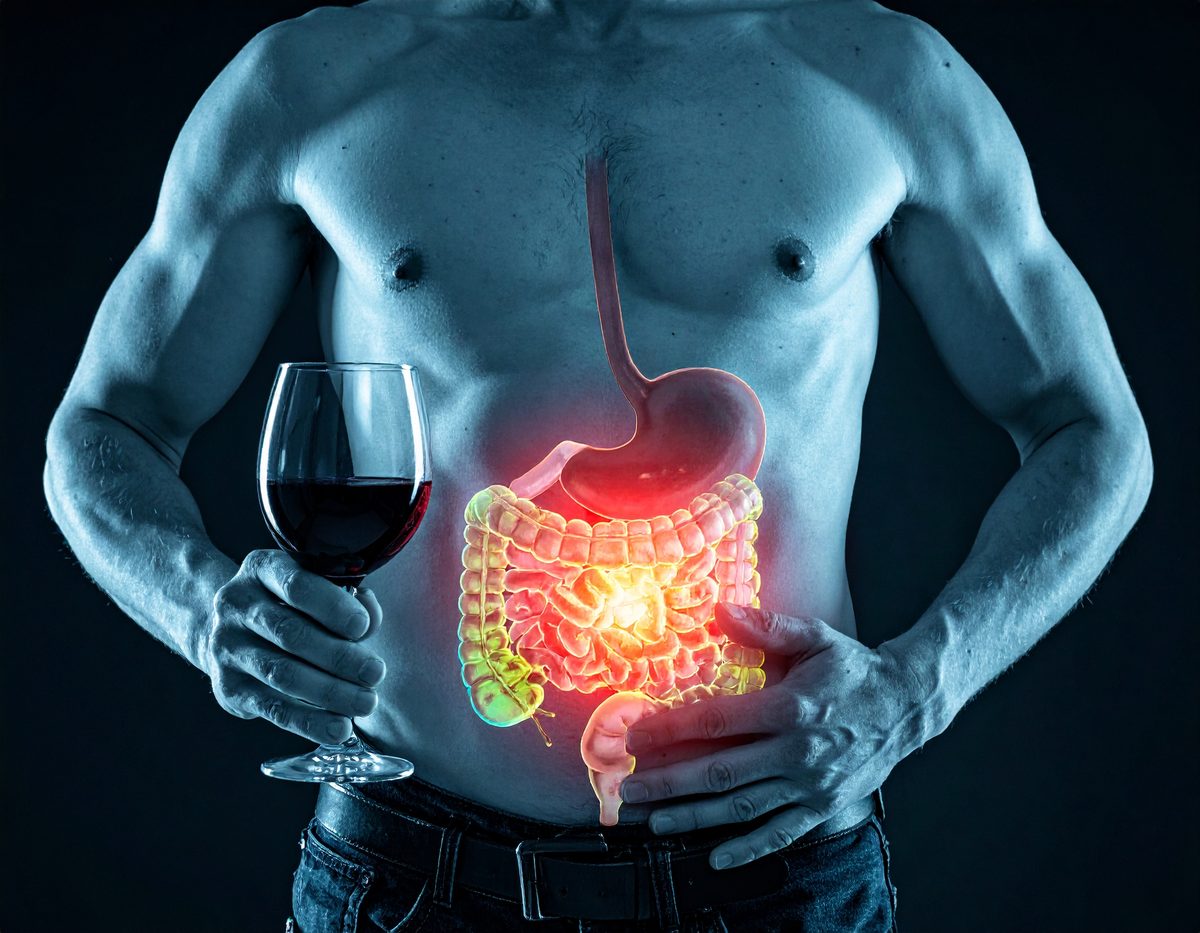
From insight to daily practice — five episodes on measuring, understanding and acting.
- S12·E1 — From a single test to the whole story
- S12·E2 — Multi-omics: the film instead of the photo
- S12·E3 — Why the same advice doesn't work for everyone
- S12·E4 — Measure, understand, adjust
- S12·E5 — Prevention as a lifestyle
Related concepts
Explore further in the Cosmogroup ecosystem
From knowledge to application — choose your next step.
My InnerSelfie
Make visible where the trigger lies: histamine intolerance or mast cell activation, and which flora produce or break down histamine — translated into clear signals.
Discover My InnerSelfie →My Key Nutrients
Support a calm histamine and stomach balance: nutrition and formulas tailored to your co-metabolism.
See the range →CosmoPulse
For performance environments: readiness, adaptation and recovery bundled into one readable decision signal.
Discover CosmoPulse →The books · HOST · FORMULA · EDGE
The common thread of this science, from insight to everyday application, by Petra Van Gucht.
See the books →Scientific references
• Frei R., et al. (2021) — Microbiota and histamine in immune regulation. Front Immunol.
• Valent P., et al. (2019) — Mast cell activation syndromes. J Allergy Clin Immunol.
• Van Gucht P. — HOST (COSMO trilogy): why the same glass turns out differently.
Frequently asked questions
- Why does red wine give me acid reflux and flushing?
- Red wine contains histamine and also inhibits the enzymes that break histamine down. Through mast cell activation acid production rises, which can cause acid reflux, flushing, itching and headache.
- Is this an allergy to wine?
- Usually not in the classic sense. Allergy tests often remain negative. This is about histamine intolerance and mast cell activation, further fueled by the microbiome.
- Why do others tolerate wine just fine?
- Because histamine breakdown, the microbiome and mast cell sensitivity differ from person to person. What is a trigger for you need not be one for someone else.
- Can I do anything about this?
- Often yes, through insight into your triggers and targeted adjustments to diet and lifestyle. This is supportive and observational, not a medical diagnosis.
Hooked on co-metabolism?
You've just read one piece of the puzzle. There's a path for the curious who want to understand themselves better — and a deeper library for the professional who works with it.
Discover your own story
Curious what co-metabolism means for you? Discover what your own body is trying to tell you every day — and stay up to date with new insights.
Discover your analysis →Join us and gain access
Become an affiliated healthcare professional and unlock the depth we reserve for our partners: the books to read online, the Well@Work and Sport experiences, the protocols and a network of like-minded peers.
Join us →