Hydration, electrolytes & cramps
In plain language
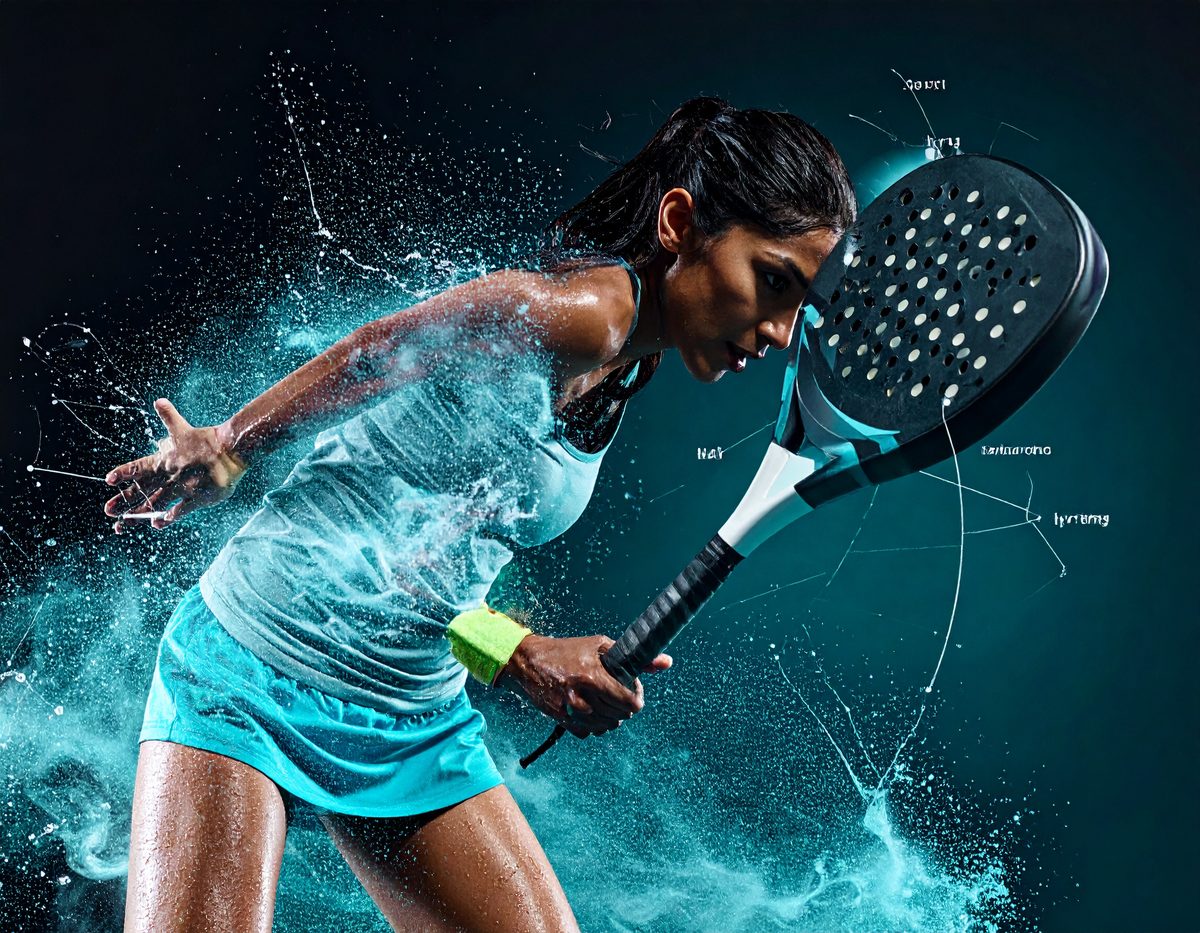
A padel player loses a striking amount of salt through his sweat. Halfway through the match the cramps set in, his concentration drops and he feels empty. A teammate under the same exertion stays fresh. How can that be? Sweating is not the same for everyone: some people lose much more sodium per liter than others. And sodium, potassium and magnesium are precisely the minerals that make your muscles contract and relax. When that balance is lost, muscles start raising a “false alarm”: cramps.
What is often overlooked: your gut helps determine how well you absorb and retain those minerals. The absorption of magnesium and the fluid balance are partly under the influence of your microbiome and your genetic predisposition. Hydration is therefore not a matter of “simply drinking more”, but of the right balance for your body — and one you can adjust with smart timing of fluid, salt and nutrition around exertion.
The science behind
During exertion you lose not only water but also electrolytes through sweat, with sodium as the largest item. Work in the Journal of Applied Physiology shows that the individual sweat profile — sweat volume and salt concentration — varies strongly and helps determine electrolyte balance and performance. Sodium, potassium, magnesium and calcium drive the membrane potential of nerve and muscle cells; if their ratio shifts too far, nerve signaling becomes disrupted and muscle cramps, premature fatigue and reduced coordination arise. Reviews in Sports Medicine link substantial electrolyte loss in racket and endurance sports to a higher injury risk.
Less well known is the role of the gut. Publications in Frontiers in Nutrition describe how the microbiome is involved in the absorption and buffering of minerals such as magnesium and in the fine-tuning of the fluid balance. A healthy gut barrier and a balanced microbial composition support a stable absorption, while dysbiosis can disturb mineral balance. In this way sweat glands, kidneys and gut work together as one fluid and electrolyte system rather than separately.
The common thread is co-metabolism: whether someone is prone to cramps and exhaustion arises from the interplay of DNA (predisposition for sweat rate and sodium loss), microbiome, metabolites and lifestyle together. Gene variants color the predisposition in the background, but the timing of fluid, salt and nutrition around exertion determines what you do with that predisposition. Hydration is therefore not a generic drinking rule, but a personal balance that you can measure and adjust. This reading is supportive and observational — not a medical diagnosis.
Illustration & CosmoTalks
How your microbiome moves along with training, recovery and performance — five episodes.
- S4·E1 — Your gut trains too
- S4·E2 — Nutrition as fuel and as signal
- S4·E3 — Why one athlete recovers faster
- S4·E4 — Inflammation: ally and saboteur
- S4·E5 — Injuries often begin in the gut
Related concepts
Explore further in the Cosmogroup ecosystem
From knowledge to application — choose your next step.
My InnerSelfie
Understand how your sweat profile and biology together steer your electrolyte balance — DNA, microbiome and metabolome in one picture.
Discover My InnerSelfie →My Key Nutrients
Support a stable fluid and mineral balance with targeted nutrition, tailored to your co-metabolism.
See the range →CosmoPulse
For performance environments: readiness, adaptation and recovery bundled into one readable decision signal.
Discover CosmoPulse →The books · HOST · FORMULA · EDGE
The common thread of this science, from insight to everyday application, by Petra Van Gucht.
See the books →Scientific references
• Chen J., et al. (2020) — Gut microbiota, hydration and mineral absorption. Frontiers in Nutrition.
• Maughan R.J., Shirreffs S.M. (2019) — Electrolyte loss and injury risk in racket sports. Sports Medicine.
• Van Gucht P. — EDGE (COSMO trilogy): exertion, recovery and co-metabolism.
Frequently asked questions
- Do I get cramps from drinking too little water?
- Not only that. Often it is the disturbed balance between fluid and electrolytes (especially sodium, potassium and magnesium) that makes muscles cramp, not the fluid shortage itself.
- Why does one person sweat saltier than another?
- Sweat volume and salt concentration are partly genetically determined. Some people lose much more sodium per liter of sweat and are therefore more prone to cramps.
- What does my gut have to do with hydration?
- The microbiome is involved in the absorption and buffering of minerals such as magnesium and in the fine-tuning of the fluid balance.
- Can I prevent my cramps?
- Often yes, by timing fluid, salt and nutrition smartly around exertion — tailored to your sweat profile and predisposition, not to a generic rule.
Hooked on co-metabolism?
You've just read one piece of the puzzle. There's a path for the curious who want to understand themselves better — and a deeper library for the professional who works with it.
Discover your own story
Curious what co-metabolism means for you? Discover what your own body is trying to tell you every day — and stay up to date with new insights.
Discover your analysis →Join us and gain access
Become an affiliated healthcare professional and unlock the depth we reserve for our partners: the books to read online, the Well@Work and Sport experiences, the protocols and a network of like-minded peers.
Join us →