
Circadian efficiency (CES)
In plain language
Everyone knows the difference between morning and evening people. But it goes deeper than a habit: your body has an internal clock that makes strength, reaction time, temperature and metabolism fluctuate over the day. Circadian efficiency looks at whether the moment you have to perform something coincides with the moment your biology is ready for it.
For an evening person, an early effort can feel like swimming against the current — not through a lack of talent, but through the wrong timing. Conversely, some people peak late in the day. By making that alignment visible, timing becomes a lever instead of a blind spot: you can tune planning, warm-up and expectations to it. This makes it understandable why the same person can be a different version of themselves in the morning and in the evening.
The science behind
The basis is chronobiology. A central clock in the brain (the suprachiasmatic nucleus), together with clock genes in almost every tissue, drives day-night rhythms in hormones, body temperature, muscle strength and metabolism. Research shows that physical performance measures — strength, sprint capacity, reaction time — follow a circadian course, with a peak for many people in the late afternoon or early evening (Sports Medicine). The timing of that peak, however, varies by chronotype.
The chronotype — whether someone is a morning or evening type — is partly genetically determined and influences when performance falls optimally. Studies show that the performance difference between the favorable and unfavorable time is greater in evening types than in morning types (Current Biology). When the required effort clashes with the internal clock — through early starts, evening work or time zones — efficiency drops and perceived load rises. Circadian efficiency summarizes that alignment as a readable framework, not as a fixed performance figure.
The common thread is co-metabolism: how well timing and performance coincide arises from the interplay of DNA (clock genes, chronotype), microbiome (which itself also has a daily rhythm), metabolites and lifestyle (light, sleep, meal timing) together. Circadian efficiency is therefore not a stand-alone sports number, but a window on how your biological clock plays into readiness — and something you can adjust with light, sleep and planning. This reading is supportive and observational — not a medical diagnosis.
Illustration & CosmoTalks
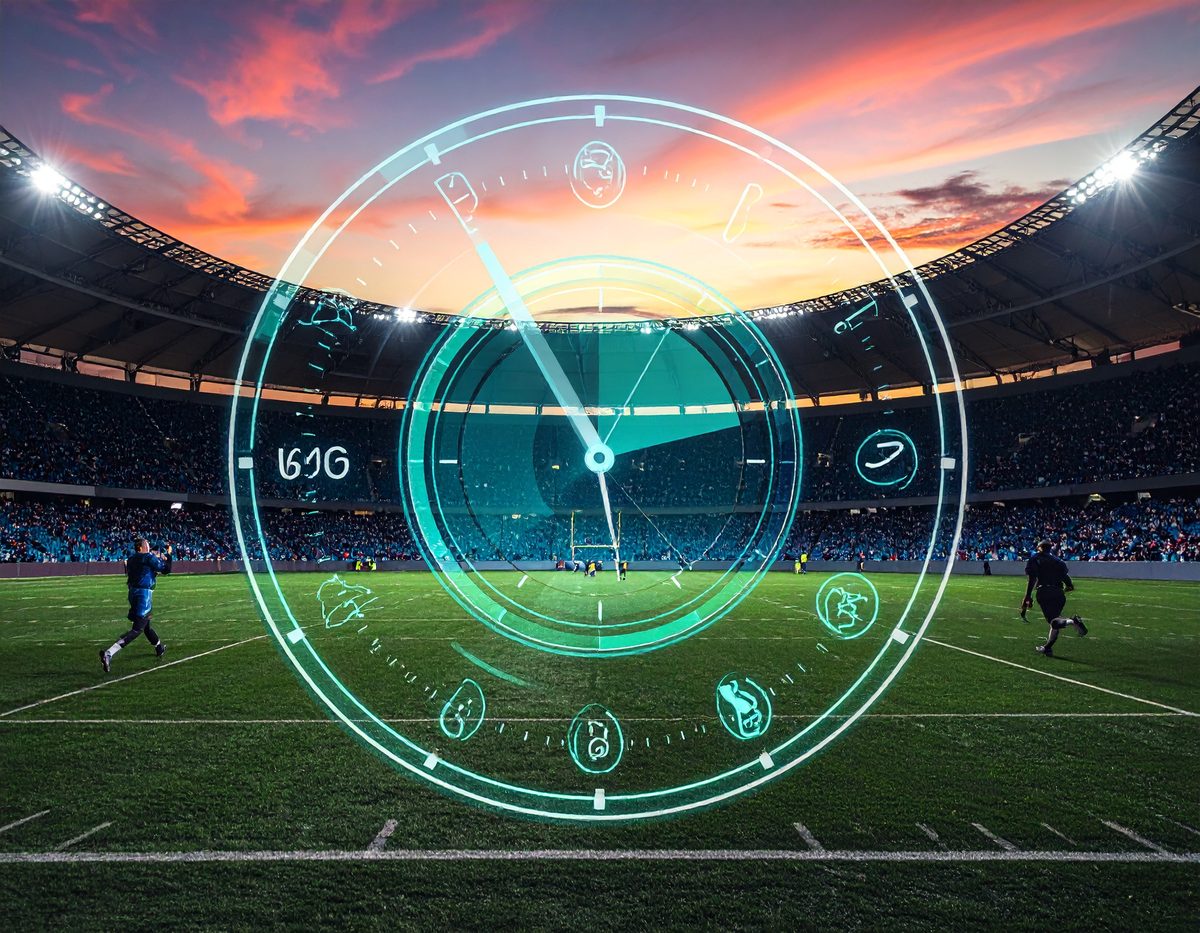
How your body adapts to load, travel and pressure — five episodes.
- S6·E1 — Resilience is a trainable trait
- S6·E2 — Why one person adapts faster
- S6·E3 — Your internal clock sets your limits
- S6·E4 — Immunity as a silent performance factor
- S6·E5 — Adaptation: the art of adjusting
Related concepts
Explore further in the Cosmogroup ecosystem
From knowledge to application — choose your next step.
My InnerSelfie
Discover your rhythm predisposition and how it connects with sleep, energy and recovery — as part of your wider biology.
Discover My InnerSelfie →My Key Nutrients
Support a stable day-night rhythm and energy supply with targeted nutrition, tuned to your co-metabolism.
View the range →CosmoPulse
For performance environments: readiness, adaptation and recovery bundled into one readable decision signal.
Discover CosmoPulse →The books · HOST · FORMULA · EDGE
The common thread of this science, from insight to everyday application, by Petra Van Gucht.
See the books →Scientific references
• Drust B., et al. (2005) — Circadian rhythms in sports performance. Sports Medicine / Chronobiol Int.
• Thaiss CA., et al. (2014) — Transkingdom control of microbiota diurnal oscillations. Cell.
• Van Gucht P. — EDGE (COSMO-trilogie): ritme, timing en co-metabolisme.
Frequently asked questions
- What does circadian efficiency measure?
- It reads how well someone's biological timing fits the moment of performance or load — not the capacity itself, but the alignment in time.
- Why is timing so important?
- Because the same body does not function equally efficiently at different times of day: strength, reaction time and metabolism follow a daily rhythm.
- Is this only relevant for sport?
- No. The principle of biological timing also applies to work, study and recovery; sport simply makes it extra visible.
- Can I influence my circadian alignment?
- Partly, through light, sleep and meal timing. Your chronotype is partly fixed, but the context around it can be adjusted. This is supportive, not a diagnosis.
Hooked on co-metabolism?
You have just read one piece of the puzzle. There is a path for the curious who want to understand themselves better — and a deeper library for the professional who works with it.
Discover your own story
Curious what co-metabolism means for you? Discover what your own body is trying to tell you every day — and stay up to date with new insights.
Discover your analysis →Join us and gain access
Become an affiliated healthcare professional and unlock the depth we reserve for our partners: the books to read online, the Well@Work and Sport experiences, the protocols and a network of like-minded peers.
Join us →